- Solutions
- Technology
- dbt
dbt
dbt is the standard for data transformation in the modern cloud. It enables data analysts and engineers to transform data in their warehouse simply by writing SQL. dbt brings best practices from software engineering, such as version control, testing and documentation, to the world of data analytics.
-1.png?width=1920&height=1080&name=dbt%20(1)-1.png)
Our Experience with dbt
As a partner in the modern data stack, we help organisations professionalize their transformation process with dbt. Whether it's migrating legacy ETL processes, setting up a new data warehouse, or training your analysts in "analytics engineering," our consultants ensure a scalable and maintainable setup.
Migration & Implementation
Migrating legacy ETL processes to a modern, SQL-based dbt architecture.
Fusion & Performance
Transitioning to the new dbt Fusion engine for faster builds and tighter cost control.
Analytics Engineering Training
Training analysts to become analytics engineers who can build and test models independently.
Quality & Documentation
Setting up tests, documentation, and lineage for reliable, traceable data.
Tableau
What is Tableau?
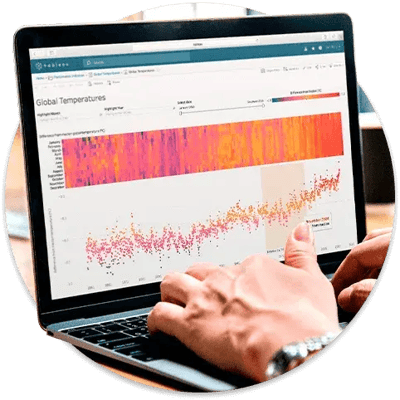
Tableau is one of the most popular tools for data visualization. With Tableau, you turn raw data into interactive dashboards and reports that everyone in your organization can understand. Whether you want to create an overview of KPIs, analyze trends or share insights with colleagues - Tableau makes data accessible.
Advantages
Software Engineering for Analytics
dbt brings the discipline of software development to the world of data. By leveraging version control (Git), modularity, and reusable code, you build a scalable and maintainable data infrastructure that is ready for the future.
Everyone is a Data Engineer
Since dbt runs on SQL, the language analysts already speak, it breaks the traditional data bottleneck. Analysts no longer have to wait for engineers to clean data; they can independently build, test, and deploy their own data transformations.
Built-in Data Quality and Tests
Confidence in data is essential. With dbt, you define tests directly in your code (e.g., "this column must never be empty" or "ids must be unique"). If a test fails, you are alerted immediately before the data ends up in a dashboard.
Automatic Documentation & Lineage
dbt automatically generates a living documentation website from your code. In it, you see not only the definitions of your data, but also the full "lineage": a visual overview of how data flows from source to end result.